
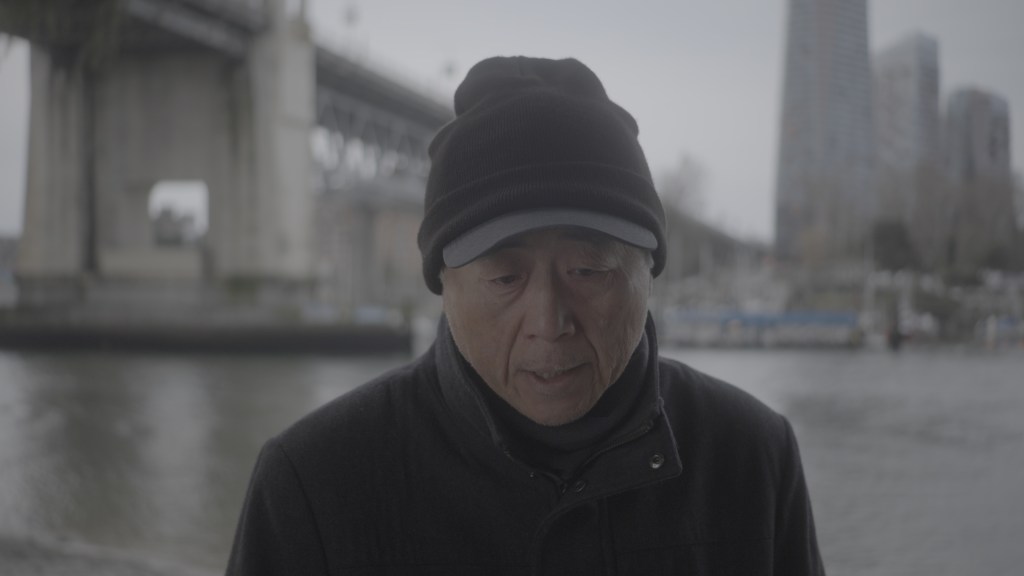
In an environment where contemporary cinema increasingly leans toward speed, clarity, and immediate resolution, STILL: A Version moves in the opposite direction.
The film unfolds around a figure moving through an unstable environment, where perception gradually detaches from action. A recurring vibration of a phone that is never answered. A gesture repeated without resolution.
It does not explain.
It holds.
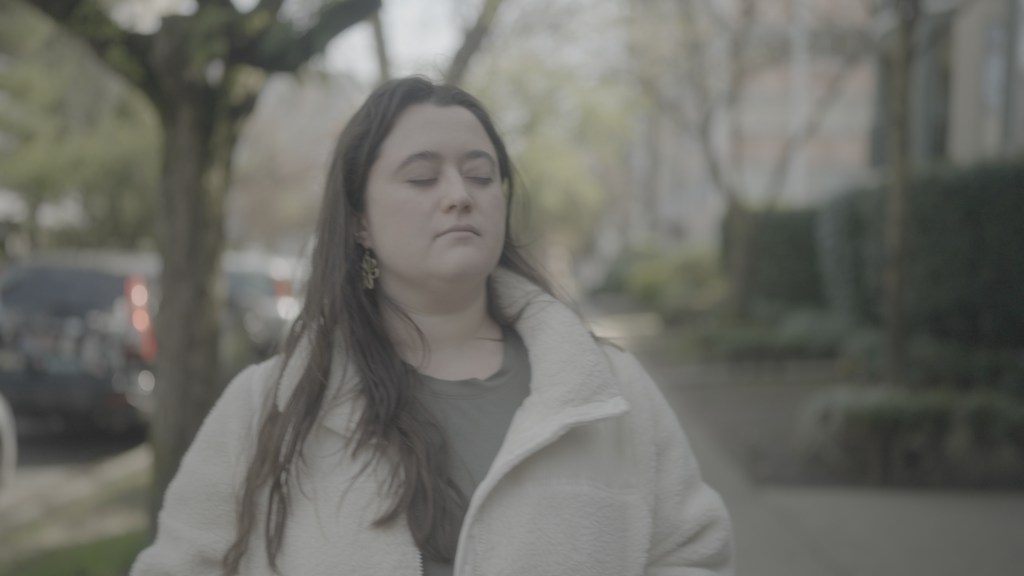
STILL: A Version (2026)
The work operates within a controlled and minimal framework, where information is deliberately withheld and meaning is not delivered directly. Instead, the film builds through duration, repetition, and the gradual accumulation of pressure. What emerges is not a narrative that clarifies itself, but an experience that resists simplification.
At its core is an internal structure defined less by events than by conditions. Rhythm becomes the primary organizing force, guiding the viewer through a space where continuity is unstable and perception is repeatedly displaced. Sound, image, and absence function together not to clarify, but to position the viewer within the work.
This approach reflects what director Mobarez Javanmarddescribes as Cinema of Denial: a method grounded in control, reduction, and the refusal of explanatory language. Within this framework, withholding is not treated as absence, but as a structural decision one that determines how the film is encountered.
From a production standpoint, the film developed under practical constraints, including limited time, shifting locations, and the absence of certain planned elements during execution. Rather than compensating for these limitations through conventional means, the process reconfigured itself around a fixed internal framework. The core rhythm and structural logic remained intact, while execution adapted to the conditions of production.
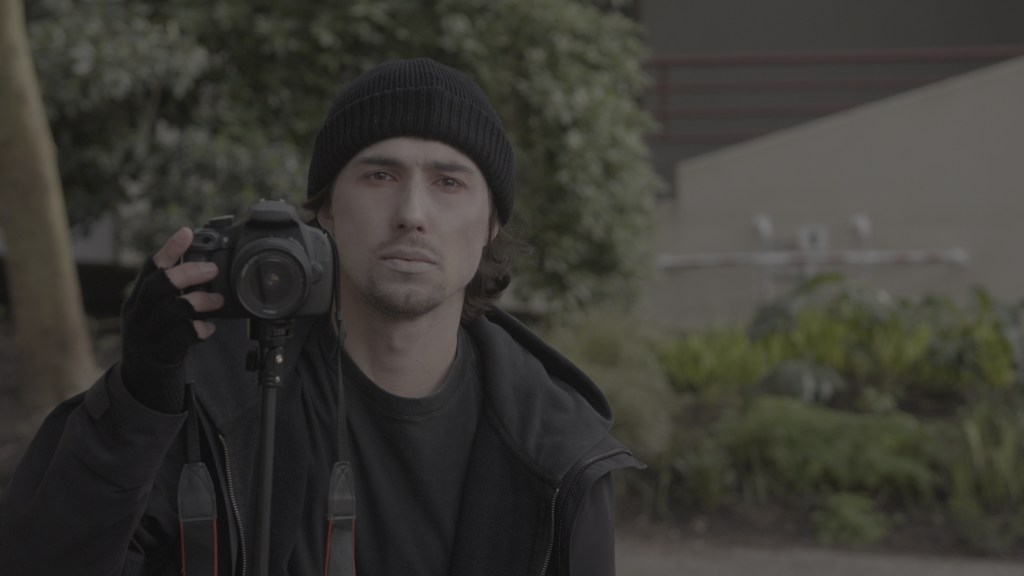
STILL: A Version (2026)
Cinematography reflects this same tension between control and adjustment. The visual language avoids excess, focusing on presence rather than spectacle. Lighting and framing are used not to enhance or decorate, but to maintain the internal pressure of the image.
Performance follows a similar logic. With minimal reliance on dialogue, the film emphasizes physical presence and behavioral detail. The actor is guided less through psychological explanation and more through conditions that shape how the body occupies the frame.
This approach carries risk. The film can lose its viewer as easily as it can hold them. It does not attempt to stabilize that tension.
Across all levels direction, cinematography, and performance the work maintains a consistent resistance to simplification. It does not resolve itself for the viewer, nor does it position clarity as an endpoint.
Instead, STILL: A Version defines its own terms of engagement.
The film establishes a space and holds it.
It remains, without resolution.
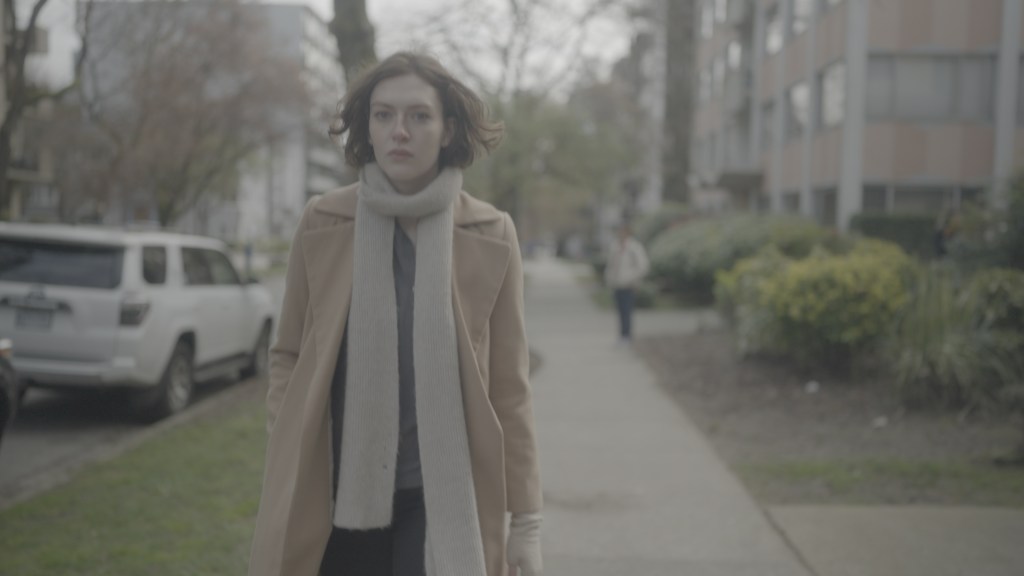
STILL: A Version (2026)
🎬 Title
STILL: A Version (2026)
Logline
While documenting the world around him, a photographer discovers that the act of observation is erasing him frame by frame, through his own images.
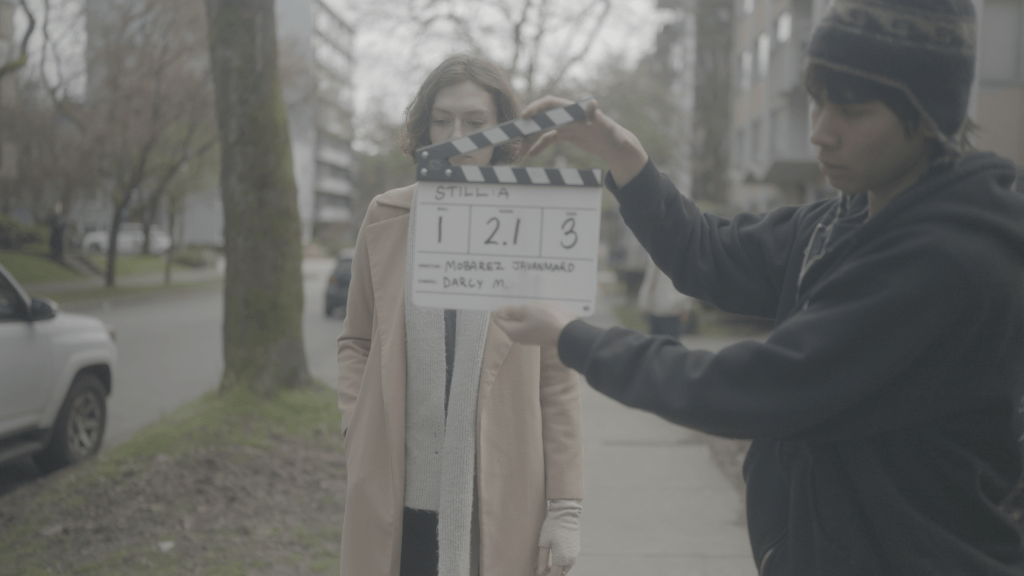
STILL: A Version (2026) BTS Photo
Short Synopsis
A solitary photographer moves through the city, documenting ordinary encounters and environments. As he continues to observe and record, subtle irregularities begin to emerge gaps in continuity, delayed reflections, and images that no longer align with reality. Gradually, the camera reveals something more unsettling: the photographer himself is no longer fully present within his own documentation. As perception and record diverge, the act of observation shifts from capturing reality to destabilizing it, leaving the boundary between presence and absence unresolved.
Director Statement
Cinema is not here to explain.
In STILL: A Version, I work with reduction, repetition, and controlled withholding to construct an experience rather than deliver meaning. The film is built around a simple shift: when observation no longer confirms reality, but destabilizes it.
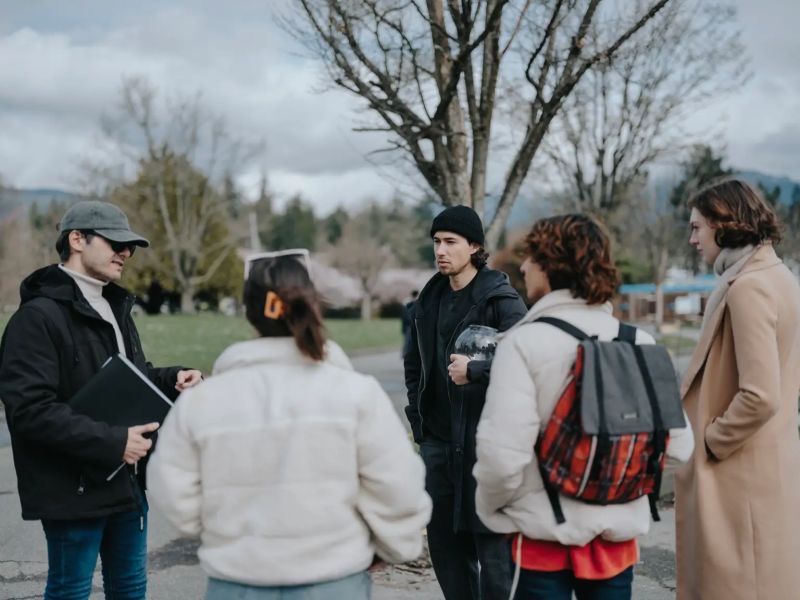
STILL: A Version (2026) BTS – Mobarez Javanmard rehearsal with the cast

