
Intro
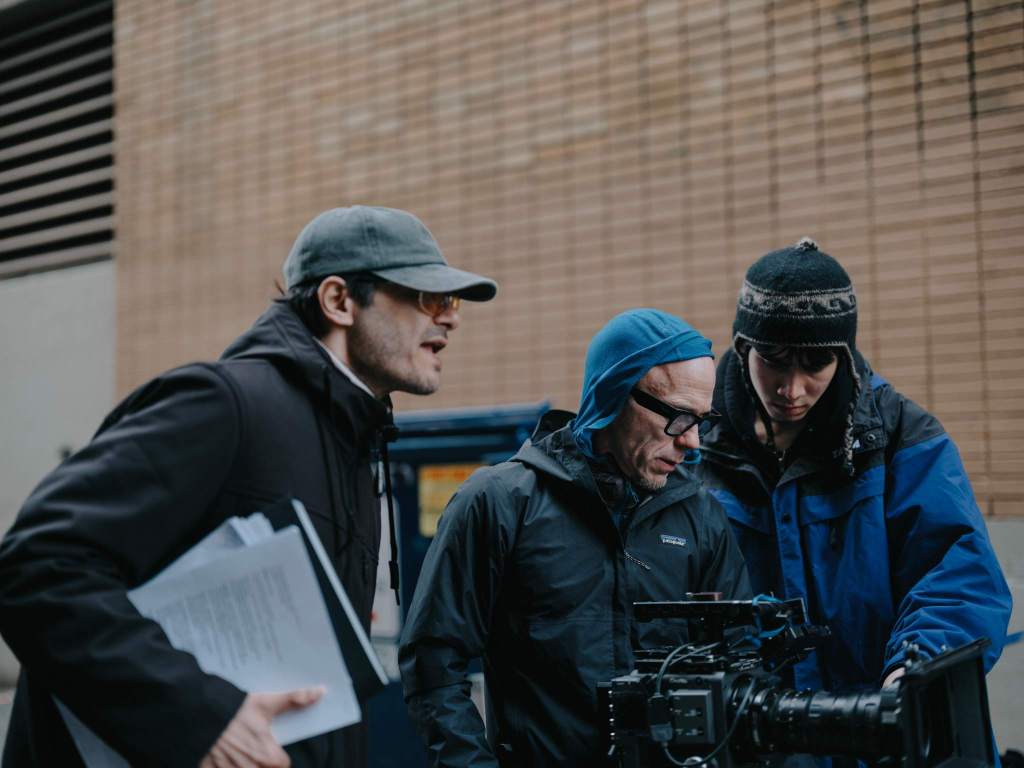
In this conversation, filmmaker Mobarez Javanmard discusses his working framework, Cinema of Denial an approach grounded in controlled exposure, structural restraint, and the limits of explanation in film.
The discussion explores how meaning is constructed through pressure, rhythm, and withholding, rather than through direct communication.
Mobarez Javanmard is a Vancouver-based filmmaker and founder of Javanmard Cinema Inc. His work operates between fiction and documentary through a controlled surrealist framework, focusing on denial, duration, and the limits of cinematic language. His films have been broadcast on networks including VOA Persian and BBC Persian, and are developed independently with an emphasis on structural precision and long-term continuity.
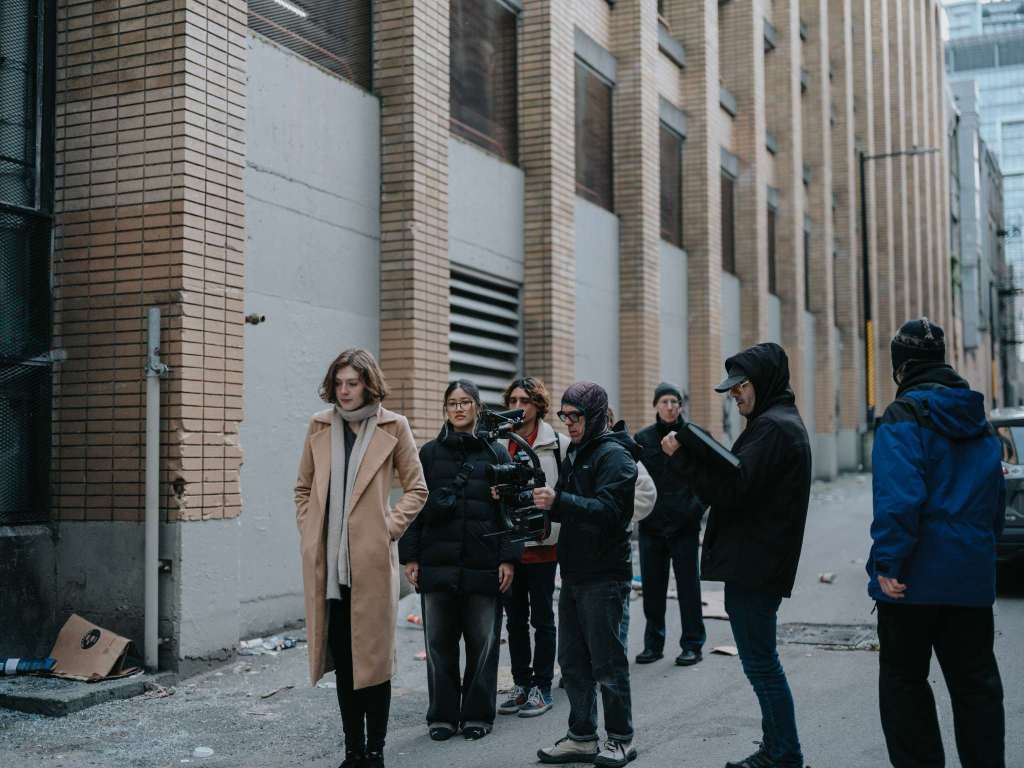
Q — Your work emphasizes withholding and controlled exposure.
How do you determine the point at which withholding deepens the film rather than simply limiting the audience’s access?
A —
It begins as intuition, but it’s tested through structure.
When I read a script, the film already exists for me image and sound together. That gives me an initial sense of where to withhold and where to release. But that instinct is tested in practice through actors, space, and finally in the edit.
The boundary is not between clarity and confusion. It’s between pressure and collapse.
Withholding is not used to obscure meaning. It’s used to carry a specific experience something that already exists but is usually suppressed. If I remove too much, that experience disappears. If I expose too much, it reduces into explanation. The work depends on holding that tension.
In The Dance of the Rabbits, there were moments where information and even factual continuity were deliberately denied. But the limit was always the same: if the rhythm or the central condition of the film broke, the denial had gone too far.
For me, rhythm is the measure.
Not as timing alone, but as continuity of pressure.
This process is not arbitrary. It’s structured.
There are points where the film must hold, and points where it must release. Knowing that difference is what keeps withholding from becoming absence.
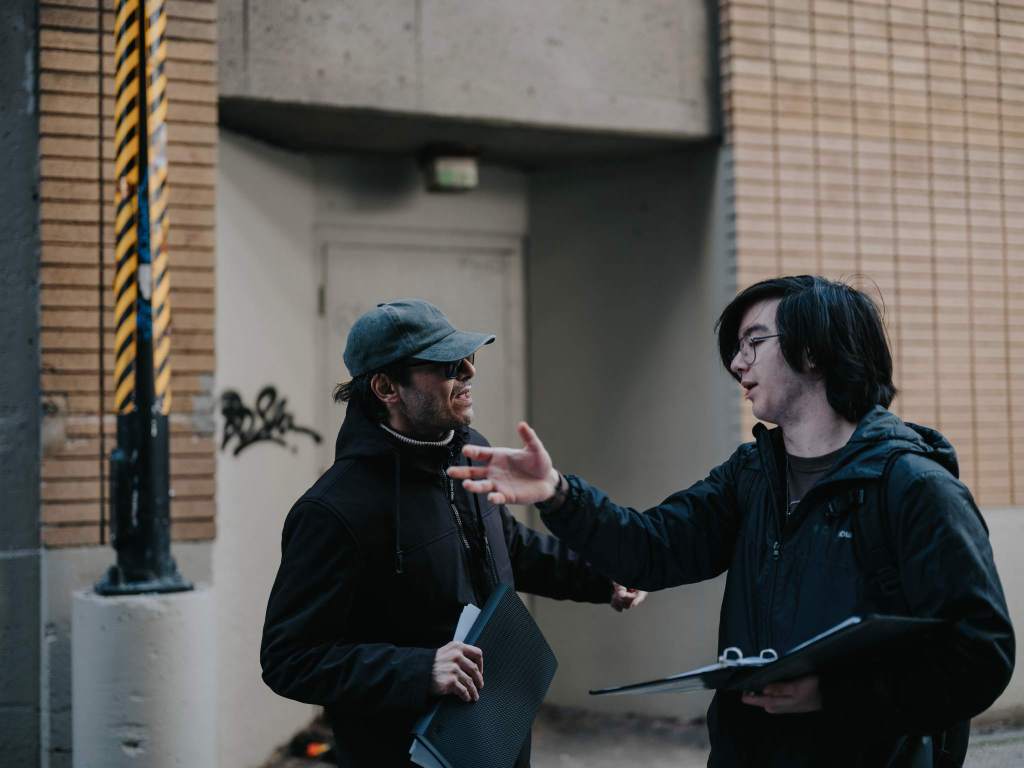
Q — You draw a clear distinction between experience and explanation.
In practice, how do you ensure that the viewer is engaging with something meaningful, rather than being left without orientation?
A —
The viewer doesn’t orient themselves through explanation, but through sensation.
In my work, meaning is not delivered it’s registered. The viewer understands where they stand through rhythm, repetition, and the behavior of the image and sound. These elements don’t explain the film, but they position the viewer inside it.
Rhythm is the primary structure.
Not just as timing, but as continuity of pressure.
There is also an internal anchor the core of the film. I think of it as a central condition that holds everything together. Even when information is withheld, that core remains stable and determines the direction of the work.
What matters is not whether the viewer can articulate the film, but whether they can recognize it. That recognition can happen at any point early, partially, or even through resistance.
If a viewer disconnects completely, that’s not the intention but it can happen. The work accepts that risk. The important distinction is this: the film is not arbitrary. Every decision what is withheld, what remains is controlled in relation to that core.
In the edit, this becomes very precise.
Whenever the film moves toward explanation, something is removed. Not to obscure, but to preserve the pressure of the experience.
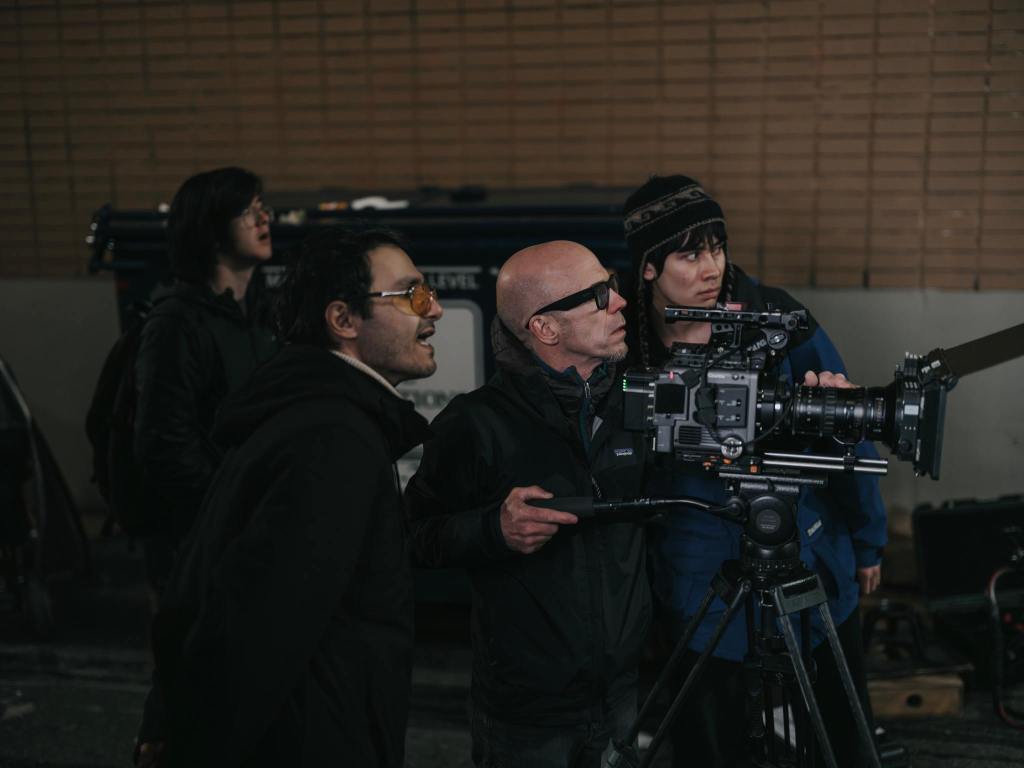
Q — Your approach resists conventional emotional cues and narrative clarity.
Do you see this as a response to contemporary cinema, or as part of a longer tradition you’re working within?
A —
It’s not a reaction to contemporary cinema. The work comes from lived experience and from an ongoing internal process that has been consistent over time.
I don’t position it within a specific tradition. It operates independently, but not in isolation the method has developed through years of practice rather than in response to a particular movement.
What I question in much of contemporary cinema is not its existence, but its tendency toward pre-packaged meaning where experience is reduced to something immediate and consumable. That shift limits the viewer’s role.
My work moves in a different direction. It’s not built against the present, but it doesn’t negotiate with it either. If the surrounding cinema changes, the method remains.
The root of the work is lived experience, and an ongoing observation of how systems shape perception and behavior. That’s the constant.
Q — You describe your process as structured but adaptive.
How do you balance maintaining a fixed internal framework with the realities of production constraints?
A —
The first reference point is always the core of the film the central condition and the rhythm. Those do not change.
When circumstances shift location, time, or the loss of an element I don’t try to preserve the surface. I reconfigure the form so that the same core can exist under new conditions.
What changes are the external layers: execution, visual scale, and anything that moves the film toward decoration or explanation. Those are the first things I remove. The reduction is intentional. It allows the core to remain visible.
In Poetry with the Taste of Ice Cream, there were extensive interviews, including well-known public figures. Most of that material was removed. The film shifted toward everyday voices instead. That wasn’t a compromise it clarified the direction and reinforced the structure.
So adaptation is not separate from the method it’s part of it.
The structure is fixed, but the way it manifests can change.
The responsibility of maintaining that balance is entirely on the director.
The film has to exist clearly before it is made. Once the internal structure is precise, it becomes possible to adjust without losing it.
Q — Your films appear to ask a great deal from the viewer.
Do you see that as a form of invitation, or as a necessary boundary for the work to function as intended?
A —
The work invites, but it also sets conditions.
It’s not built for immediate meaning, entertainment, or resolution. So the first condition is simple: the viewer has to be willing to stay without expecting those things.
That doesn’t mean effort in the usual sense. The viewer doesn’t need to solve the film presence is enough. The pressure is built into the structure of the work. It unfolds whether the viewer fully follows it or not.
If someone chooses not to stay, that’s not a failure. It simply means the conditions weren’t met. The work is not universal by design it’s selective.
This selectivity is not about exclusion. It’s about placement.
Different viewers relate to different forms, and that difference matters.
The boundary serves two functions.
It protects the work from being reduced into explanation or surface-level experience, and it defines the conditions under which the film can be fully encountered.
So the film doesn’t invite everyone equally.
It defines a space and those who remain within it become its audience.
Credit:
JP Editorial

